


What is a Recruitment Specialist?
A recruitment specialist is a professional focused on the end-to-end process of attracting, identifying, and hiring qualified candidates for specific roles within an organization. Unlike general recruiters, recruitment specialists often concentrate on particular areas or levels of employment, such as technical positions, executive roles, or industry-specific jobs.
Their responsibilities may include crafting job descriptions, sourcing candidates through various channels, conducting initial screenings, and coordinating interviews. They work closely with hiring managers to ensure that the recruitment process aligns with the strategic needs of the business. Recruitment specialists are also instrumental in building and maintaining a talent pool for future hiring needs.
- Crafting job descriptions
- Sourcing candidates
- Conducting initial screenings
- Coordinating interviews
- Building a talent pool
What is a Recruitment Officer?
In the context of recruitment specialist vs recruitment officer, the latter plays a pivotal role in the hiring process. A Recruitment Officer is typically responsible for overseeing the recruitment process within an organization. Their duties often encompass a variety of tasks aimed at filling open positions across different levels, from entry-level to mid-level roles, and occasionally senior positions. Recruitment Officers are integral to the execution of a company’s hiring strategy, ensuring that the organization attracts and secures the right talent.
The role of a Recruitment Officer includes, but is not limited to:
- Creating and managing job advertisements to attract candidates.
- Contributing to candidate sourcing and outreach activities.
- Analyzing and improving recruitment procedures and processes.
- Providing training and support to the organization’s recruitment stakeholders.
Additionally, Recruitment Officers may serve as a backup for Human Resource positions and may step in for Recruitment Assistants when necessary. Their work is crucial in maintaining a systematic and fair selection process, which is essential for improving the quality of hires and aligning them with the organization’s culture and needs.
Comparing Responsibilities
When comparing the responsibilities of a Recruitment Specialist and a Recruitment Officer, it’s essential to understand the nuances that differentiate their roles. A Recruitment Specialist typically has a more focused approach, often dealing with specific aspects of the recruitment process such as candidate sourcing, interviewing, and placement. They are expected to have a deep understanding of the industry they recruit for and are often tasked with finding niche talent.
On the other hand, a Recruitment Officer may have a broader set of responsibilities that can span across various stages of the hiring process. This role often involves administrative tasks, coordination between departments, and ensuring that the recruitment process aligns with organizational policies and goals. Both roles require a high level of accountability and communication skills, as they are integral in shaping the workforce of the organization.
Here is a brief comparison of key responsibilities:
- Recruitment Specialist:
- Focused on specific recruitment tasks
- Deep industry knowledge
- Sourcing niche talent
- Recruitment Officer:
- Broad recruitment responsibilities
- Administrative and coordination tasks
- Compliance with organizational policies
Scope and Level of Positions
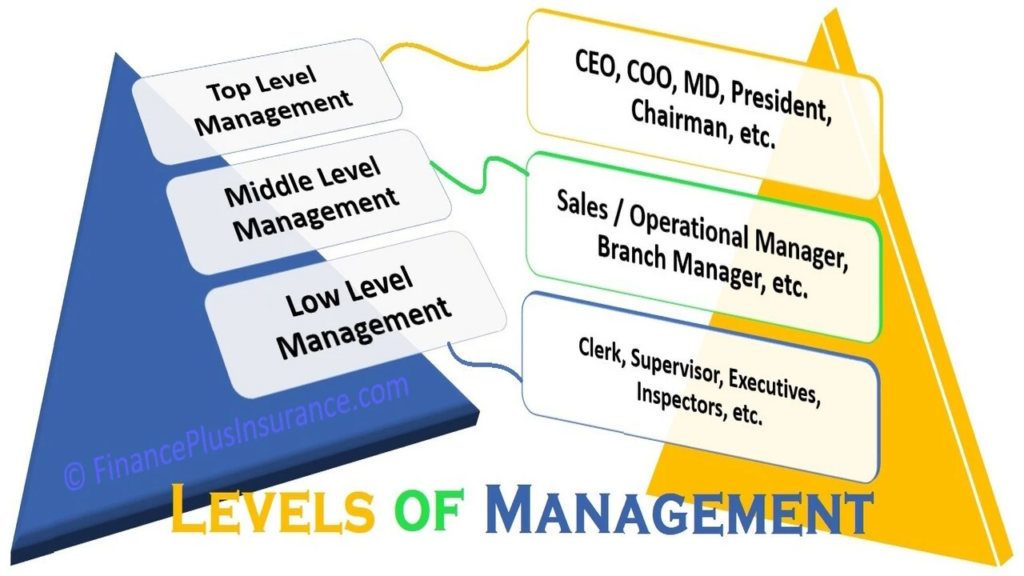
Image source: financeplusinsurance.com
Executive Search Focus
Executive search is a highly specialized field within the recruitment industry, focusing on the identification and placement of top-tier executives. Unlike general recruitment, which may target a broad range of positions, executive search is tailored to fill senior-level roles, such as C-suite positions (CEO, CFO, CTO, etc.) and other key leadership slots. These roles require candidates with a unique blend of skills and extensive experience, often making the search a more complex and nuanced process.
The executive search process at 11 is crafted to attract, recruit, and retain high achievers. It operates under the premise that such individuals are typically passive candidates and are scarce in the job market. To meet the demands of clients seeking to fill these pivotal roles, specialized search and headhunting services are provided. These services are not just about filling a vacancy but ensuring a strategic fit that can drive the organization forward.
Understanding the difference between executive search and recruitment is crucial for organizations aiming to recruit top executive talent. While both aim to fill job vacancies, executive search is more specialized and targeted, focusing on a narrower segment of the job market. Here’s a comparison to illustrate the distinctions:
- Executive Search: Targets high-level leadership positions, requires specific skill sets, often engages passive candidates.
- Recruitment: Encompasses a broader spectrum of positions, from entry-level to management, and actively seeks a wider pool of candidates.
Recruitment for Various Organizational Levels
Recruitment encompasses a broad spectrum of activities aimed at filling positions across various organizational levels. Recruitment officers typically handle the end-to-end process for a wide range of roles, from entry-level to mid-level, and occasionally senior positions. Their responsibilities may include creating job ads, managing the recruitment funnel, and executing recruitment marketing strategies.
In contrast, recruitment specialists, particularly those in executive search, are often tasked with identifying and attracting candidates for high-level leadership roles, such as those within the C-suite. This requires a nuanced approach to sourcing, targeting individuals with specific skill sets and a proven track record of success in similar positions.
To illustrate the differences in focus, consider the following tasks that may fall under the purview of each role:
- Recruitment admin: Crafting job descriptions and overseeing the applicant flow.
- Recruitment marketing: Leveraging social media and employer branding to advertise positions.
- Candidate sourcing: Employing a mix of traditional and proactive strategies to engage both active and passive candidates.
Impact on Hiring Strategy
The roles of Recruitment Specialist and Recruitment Officer both significantly influence an organization’s hiring strategy. Recruitment Specialists are often tasked with identifying and attracting top talent through proactive sourcing methods. They focus on building a robust talent pipeline, which is essential for filling future vacancies and supporting the company’s growth. Their strategic approach to talent acquisition is not just about filling current openings but ensuring a continuous influx of qualified candidates.
In contrast, Recruitment Officers typically manage the end-to-end recruitment process for immediate vacancies. They are responsible for posting job ads, screening applicants, and coordinating interviews. Their impact on the hiring strategy is more immediate, addressing current needs rather than long-term talent planning. However, their role is crucial in shaping the candidate’s experience and, ultimately, their decision to join the company.
Both roles require a deep understanding of the company’s culture and values to effectively communicate these to potential candidates. They also need to stay informed about labor market trends and adjust their strategies accordingly to remain competitive. Here are some key points to consider:
- Candidate Experience: Ensuring a positive candidate experience is vital, as it can influence a candidate’s decision to accept a job offer.
- Strategic Sourcing: Recruitment Specialists must evaluate and optimize sourcing strategies regularly to attract top talent.
- Immediate Hiring Needs: Recruitment Officers focus on immediate hiring needs, ensuring a quick and efficient recruitment process.
- Collaboration: Both roles should work in tandem to create a seamless transition from sourcing to hiring, enhancing the overall efficiency of the talent acquisition process.
Recruitment Process Insights

Recruitment Process Insights of Executive Positions
Executive Search Process
The executive search process is a specialized form of recruitment aimed at attracting and securing high-level executives for senior positions. It is a targeted and proactive approach that seeks out candidates who may not be actively searching for new opportunities but are recognized as high achievers in their field. These individuals are often passive candidates and are considered scarce, making the search process both critical and challenging.
Executive search differs from standard recruitment in several ways:
- Duration: Executive searches typically take longer due to the need for thorough vetting and the specificity of the roles.
- Resources: A greater allocation of resources is often required to identify and approach suitable candidates.
- Focus: The process is highly focused on C-suite roles (CEO, CFO, CTO, etc.) and other key leadership positions, demanding specific skill sets and extensive experience.
The table below outlines the key differences between executive search and standard recruitment processes:
Aspect Executive Search Standard Recruitment Duration Longer due to in-depth vetting Varies, often shorter Resources More resources for targeted headhunting Less intensive screening and vetting Candidate Focus Passive, high achievers, scarce Active and passive candidates Position Level Senior-level, C-suite, leadership roles All organizational levels
This strategic approach ensures that organizations not only fill vacancies but do so with individuals who can drive the company forward and contribute to long-term success.
Recruitment Officer’s Approach
The approach of a recruitment officer is multifaceted, focusing on both the administrative and strategic aspects of hiring. They are responsible for creating job ads, managing the recruitment funnel, and ensuring a positive candidate experience. Their role often involves:
- Recruitment marketing, such as advertising open roles on social media or running employer branding campaigns.
- Candidate sourcing through traditional methods like job boards and employee referrals, as well as engaging with passive candidates.
- Candidate screening by evaluating qualifications and assessing skills.
- Conducting interviews with candidates who possess the right recruitment skills.
In addition to these tasks, recruitment officers actively contribute to sourcing and attraction efforts, identify areas for improvement in recruitment processes, and provide guidance to streamline the hiring process. They also respond to inquiries and address issues related to recruitment policies and guidelines, ensuring compliance and efficiency. Their role is crucial in maintaining the best possible candidate experience throughout the recruitment process, which is a key factor in successful hiring.
Talent Identification and Sourcing
In the realm of talent acquisition, sourcing is the proactive step that lays the foundation for effective recruitment. It involves identifying, attracting, and engaging with potential candidates who may not be actively seeking new opportunities but possess the skills and experience that align with a company’s future needs. This strategic approach ensures that when the time comes to hire, the recruitment officer has a robust talent pool to draw from, significantly reducing the time and cost associated with filling positions.
The process of sourcing is multifaceted, involving a variety of tactics to target the right talent. Sourcers must maintain sourcing tools and databases, which are essential for managing candidate information and ensuring a smooth talent acquisition process. By continuously learning and adapting to changes in recruitment practices and technologies, sourcers can effectively build a pipeline of qualified candidates. This not only streamlines the hiring process but also enhances the quality of hires, as these individuals are pre-vetted and likely to be a good fit for the organization.
A global recruitment agency offering specialized solutions for talent acquisition emphasizes the importance of industry-specific placements and the ability to provide overseas job opportunities. This highlights the expansive reach and tailored approach that sourcing can offer to companies looking to attract top talent from a diverse pool of candidates.
Legal and Ethical Considerations

Compliance with Employment Laws
In the realm of recruitment, adherence to employment laws is paramount. Recruitment specialists and officers must ensure that all hiring activities are conducted in compliance with relevant policies and procedures. This includes maintaining transparency and fairness throughout the recruitment process, as well as providing a positive experience for all stakeholders.
For instance, companies may have policies regarding COVID-19 vaccination for employees. New hires are often required to certify their vaccine status, which may influence the safety protocols they are subject to, depending on the current health advisories.
Ensuring that published vacancies are free from errors and that the screening of applications is conducted using pre-established criteria are also critical components of legal compliance. Recruitment professionals work closely with hiring managers and HR teams to review the eligibility and qualifications of candidates, ensuring that all steps from the initial job posting to the final selection adhere to company policies and legal standards.
- Review and verify job postings for accuracy
- Screen applications using pre-screening criteria
- Coordinate with hiring managers and HR for compliance
- Track offers and responses from candidates
By meticulously following these guidelines, recruitment specialists and officers play a crucial role in upholding the integrity of the hiring process and protecting the organization from potential legal repercussions.
Maintaining Ethical Standards
In the realm of recruitment, maintaining ethical standards is paramount. Upholding the Standards of Conduct and Unified Staff Regulations and Rules is not just a formality but a commitment to integrity and professionalism. Recruitment specialists and officers must manage resources reliably and sustainably, ensuring that every action taken is in the best interest of the organization and its prospective employees.
Transparency is a critical component of ethical recruitment, balanced with the need for discretion and confidentiality when appropriate. It is essential to maintain impartiality and to act without consideration of personal gain. This approach fosters trust and respect, which are crucial for a successful recruitment process. Prompt action in cases of unprofessional or unethical behaviour is not only a responsibility but a duty to preserve the integrity of the hiring process.
Accountability is another core competency that underpins ethical standards in recruitment. Accepting personal responsibility for the quality and timeliness of work, recruitment professionals must operate in compliance with organizational regulations and rules. Constructive criticism is welcomed, and mistakes are acknowledged and corrected, with lessons learned applied for continuous improvement.
Reputation Management
In the competitive field of recruitment, reputation management is crucial for both Recruitment Specialists and Recruitment Officers. Upholding integrity and promoting transparency are foundational to maintaining a positive reputation. Organizations must ensure that their recruitment practices are not only effective but also adhere to the highest ethical standards.
Key aspects of reputation management in recruitment include the consistent application of policies and procedures, ensuring fairness throughout the hiring process, and providing a positive experience for all stakeholders. It is essential to manage resources reliably and sustainably, while also being prepared to take prompt action against unprofessional or unethical behavior.
To further solidify their reputation, recruitment professionals may define strategies for engaging with search firms and maintaining relationships that are data-driven and equitable. This approach helps in promoting the brand and image effectively, ultimately attracting high-potential candidates and extending offers that are both fair and competitive.
Sourcing vs. Recruiting
Understanding the Distinctions
In the realm of talent acquisition, sourcing and recruiting are distinct processes that play critical roles in building a company’s workforce. Sourcing is the proactive search for potential candidates, often focusing on passive individuals who are not actively seeking new opportunities. It involves strategies such as networking, utilizing databases, and leveraging social media to identify talent pools.
Recruiting, on the other hand, is a more reactive process that kicks in once a candidate has been sourced or has applied for a position. It encompasses evaluating applications, conducting interviews, and ultimately selecting the right candidate for the job. While sourcing is about creating a broad pool of potential candidates, recruiting is about narrowing that pool down to the best fit for the company.
- Sourcing: Identification and gathering of potential candidates, especially passive ones.
- Recruiting: Evaluation and selection of candidates who have expressed interest in a position.
The Proactive Nature of Sourcing
Sourcing is the strategic process of identifying and engaging potential candidates before a specific job vacancy arises. Unlike reactive recruiting, which responds to immediate hiring needs, sourcing