


Anyone who’s worked in recruitmentknows it requires many skills. Recruitment involves diverse tasks, makingrecruiters jacks-of-all-trades.
The Many Hats of a Recruiter
- Marketer: Enhancing visibility of job ads.
- PR Professional: Hosting open days and attending networking events.
- Sales Rep: Overcoming candidate objections and closing deals.
Because of these varied roles,recruiters can sometimes feel unfocused in their professional development.Which skill should they develop first?
This guide explores why a growthmindset is essential in recruitment, how to apply it, and the core qualities todevelop.
What is a Growth Mindset?
A growth mindset means seeingchallenges as opportunities to learn and grow. Those with this mindset believetheir talents can be developed through hard work, good strategies, and inputfrom others.
Developing a Growth Mindset
It’s a process that involves severalcore qualities:
- Curiosity and Creativity
- Ambition to Learn and Improve
- Perseverance and Resilience
- Desire to Collaborate
Growth and Recruitment Skills
Why is a growth mindset important inrecruitment? Richard Branson says it well: “Hiring the right people takes time,the right questions, and a healthy dose of curiosity.
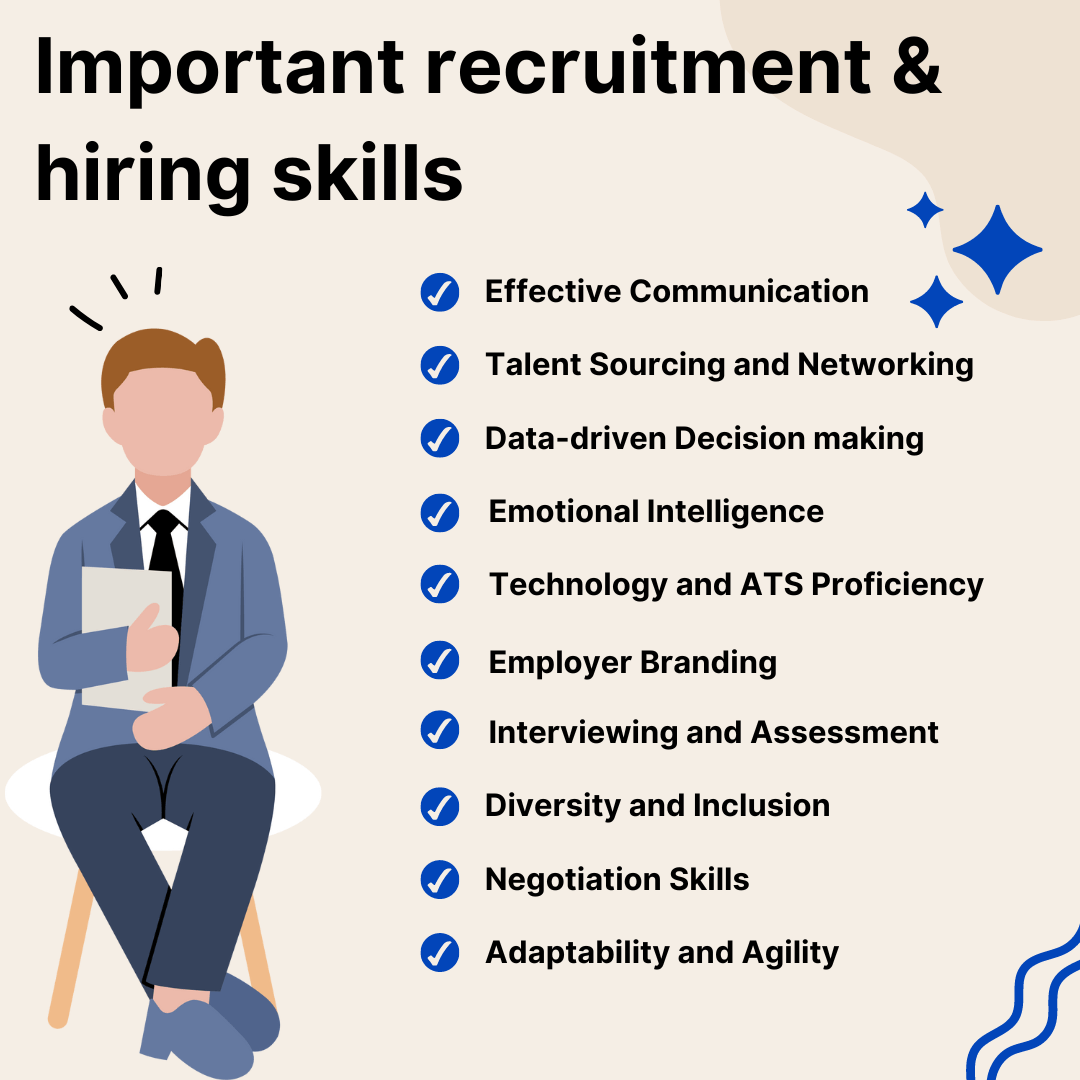
Image Source: webpipl.com
Key Growth Skills in Recruitment
- Experimentation
- Observation: Notice trends or phenomena.
- Question: Ask why these occur.
- Hypothesis: Make an educated guess.
- Test: Experiment and measure results.
- Conclusion: Determine if your hypothesis was correct.
For example, if candidate applicationsare low, you might hypothesize it's due to missing salary ranges in job ads.Test this by adding salary ranges and measure the change in applications.
- Data
- Collecting and analyzing data helps make informed decisions. Tracking hiring metrics can identify where improvements are needed.
- Creativity
- Creativity can mean improving how you approach candidates, enhancing employer branding, or collaborating in new ways. It gives your team a competitive edge.
Fixed vs. Growth Mindset
- Fixed Mindset:
- Limits potential.
- Avoids challenges to not make mistakes.
- Dislikes feedback and criticism.
- Feels threatened by others’ success.
- Growth Mindset:
- Encourages perseverance.
- Embraces challenges.
- Values feedback.
- Feels inspired by others’ success.
- Fosters curiosity and learning.
Building Recruitment Skills with a Growth Mindset
Changinghow you think and work takes time, sometimes spanning an entire career.Developing a growth mindset can expedite this process and lead to greatersuccess in recruitment.


.webp)