


Have you ever wondered why somecandidates excel in their roles while others struggle, despite having similarqualifications? The answer often lies in soft skills. In therecruitment industry, soft skills are becoming increasingly vital as theydirectly influence workplace dynamics and overall success. This blog willexplore the importance of soft skills in the recruitment industry and how theycan enhance hiring practices, improve team collaboration, and driveorganizational growth. By the end of this post, you'll understand whyprioritizing soft skills can lead to better hiring decisions and a moreeffective workforce.
Understanding Soft Skills
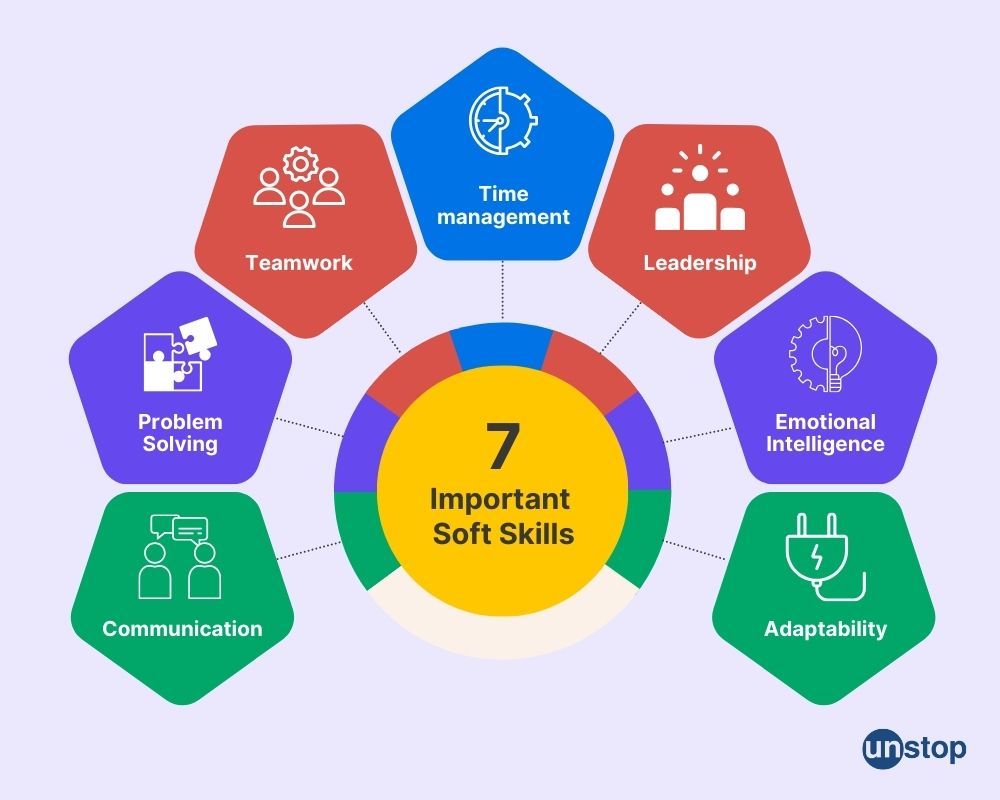
Soft skills refer to a set ofpersonal attributes that enable someone to interact effectively andharmoniously with other people. Unlike hard skills, which are specific,teachable abilities or knowledge sets (like coding or accounting), soft skillsencompass traits such as:
- Communication: The ability to convey information clearly and effectively.
- Teamwork: Working well in group settings and collaborating with others.
- Adaptability: Adjusting to new conditions and challenges.
- Problem-solving: Finding solutions to obstacles or issues.
These skills are essential in therecruitment industry as they help create a positive work environment and fosterstrong relationships among team members.
The Importance of Soft Skills in Recruitment
Enhancing Team Collaboration
In today's fast-paced workenvironment, collaboration is key. Teams need to work together seamlessly toachieve common goals. Candidates for Saudi Arabia with strong soft skills such as communicationand teamwork can significantly enhance collaboration within teams. They aremore likely to engage positively with colleagues, share ideas openly, andresolve conflicts amicably. This leads to improved productivity and a moreharmonious workplace.
Improving Customer Interactions
For roles that involve customerservice or client relations, soft skills are crucial. Employees who possessstrong interpersonal abilities can build rapport with clients, understand theirneeds, and provide tailored solutions. This not only enhances customersatisfaction but also fosters long-term relationships that benefit theorganization. Companies that prioritize hiring for these soft skills often seehigher customer retention rates.
Driving Organizational Growth
Organizations that recognize thevalue of soft skills tend to experience greater overall success. Employeesequipped with strong soft skills can adapt to changes in the market, innovatesolutions to challenges, and contribute positively to the company culture. Forinstance, individuals who demonstrate leadership qualities through effectivecommunication and empathy can inspire their teams, driving motivation andperformance.
Reducing Turnover Rates
Hiring candidates with strong softskills can lead to lower turnover rates. When employees feel understood andvalued within their teams, they are more likely to remain committed to theorganization. This stability not only saves costs associated with hiring and trainingnew employees but also contributes to a more experienced workforce.
How to Assess Soft Skills During Recruitment
Behavioral Interview Techniques
One effective method for assessingsoft skills during recruitment is through behavioral interview techniques.These interviews focus on how candidates have handled past situations relevantto the job they are applying for. Questions might include:
- "Can you describe a time when you had to work closely with a team?"
- "How do you handle conflicts with colleagues?"
These questions help recruitersgauge a candidate's interpersonal abilities based on real-life experiences.
Role-Playing Scenarios
Another useful approach isrole-playing scenarios where candidates demonstrate their soft skills insimulated situations. For example, candidates might be asked to handle a mockcustomer complaint or collaborate on a group task. This allows recruiters toobserve how candidates communicate under pressure and work alongside others.
Incorporating Technology
With advancements in technology,many organizations are now using AI-driven tools to assess soft skills duringthe hiring process. These tools can analyze candidates' responses during videointerviews, providing insights into their emotional intelligence andadaptability based on non-verbal cues.
Conclusion
In conclusion, prioritizing softskills in the recruitment industry is essential for building effectiveteams and fostering a positive workplace culture. By enhancing collaboration,improving customer interactions, driving organizational growth, and reducingturnover rates, organizations can significantly benefit from hiring candidateswho possess strong interpersonal abilities.
As you navigate your recruitmentstrategies, consider integrating assessments for soft skills into your hiringprocess. Doing so will not only enhance your team's performance but alsocontribute to long-term organizational success. Embrace the power of softskills today for a brighter future in your recruitment endeavors!