


In today's fast-paced and competitivejob market, organizations are constantly seeking innovative strategies toattract and retain top talent. One such strategy that has gained significanttraction is lateral recruiting. This approach, often overlooked in favor oftraditional hiring practices, can be a game-changer for businesses aiming toinject fresh perspectives and specialized skills into their workforce. But whatexactly is lateral recruiting, and how can it benefit your organization? Let'sdelve into this concept to understand its importance and potential impact onyour business.
Understanding Lateral Recruiting
Lateral recruiting, also known aslateral hiring or lateral movement, involves hiring employees from the samelevel or position in another organization, rather than promoting from within orhiring at entry-level. Essentially, it focuses on bringing in talent thatalready possesses the necessary experience and expertise, allowing them totransition seamlessly into similar roles within a new company.
Unlike traditional recruiting, wherethe emphasis is often on filling entry-level positions or promoting existingemployees, lateral recruiting targets mid-to-senior level professionals. Theseindividuals have a proven track record, industry knowledge, and the ability tohit the ground running, making them valuable assets to any organization.
Why Organizations Turn to Lateral Recruiting
Organizations may choose lateralrecruiting for various reasons, ranging from filling critical skill gaps tofostering innovation. Here are some of the key motivations behind thisstrategic hiring approach:
1. Filling Skill Gaps
In many industries, certain rolesrequire highly specialized skills that are not easily developed internally orfound in the entry-level talent pool. Lateral recruiting allows organizationsto quickly fill these gaps by bringing in professionals who already have therequired expertise. This is particularly beneficial in fields like technology,healthcare, and finance, where specific technical knowledge or certificationsare essential.
2. Accelerating Growth
Lateral hires can significantlyaccelerate an organization's growth. Since these professionals are alreadyexperienced in their field, they require less time to acclimate and startcontributing effectively. This can be crucial in fast-growing companies orindustries where speed to market is a competitive advantage.
3. Enhancing Organizational Diversity
Lateral recruiting can also be apowerful tool for enhancing diversity within an organization. By bringing intalent from different companies, industries, or even geographical locations,businesses can introduce new perspectives and ideas. This diversity of thoughtcan lead to more innovative solutions and a more inclusive workplace culture.
4. Reducing Training Costs
Training new employees can betime-consuming and costly, especially when they are hired at an entry level.Lateral recruits, however, often come with the necessary experience and skills,reducing the need for extensive training programs. This not only saves time andmoney but also allows the organization to allocate resources more efficiently.
The Process of Lateral Recruiting
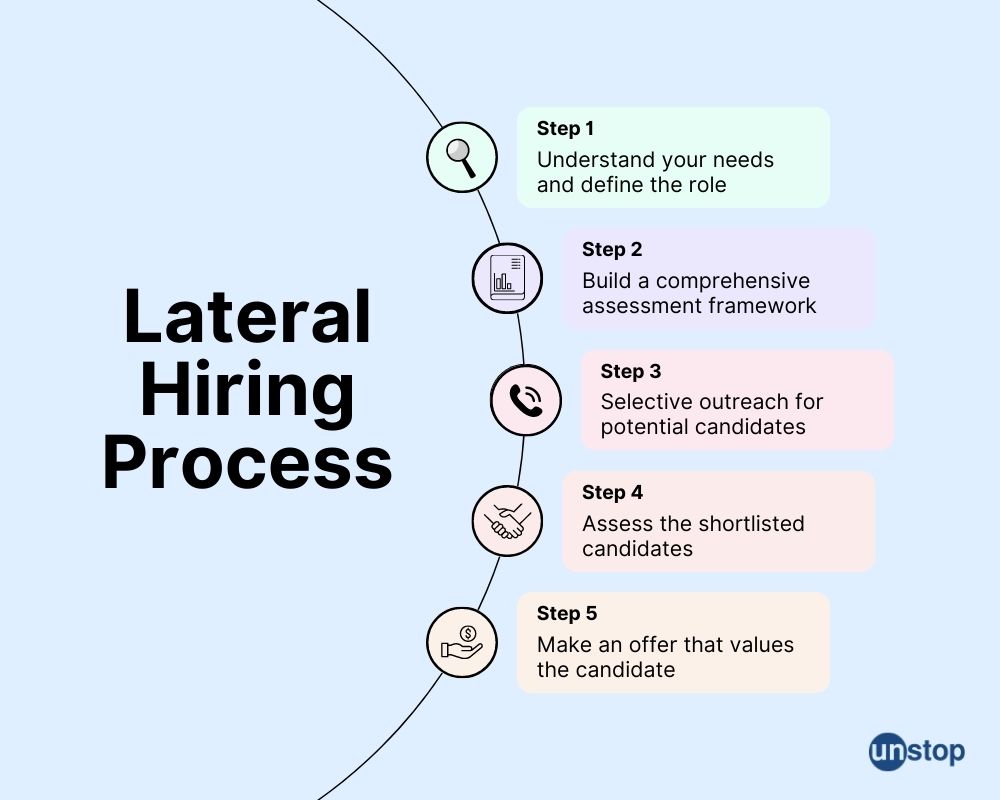
Lateral recruiting is not just aboutfilling positions; it requires a strategic approach to identify, attract, andretain the right talent. Here’s how organizations typically go about it:
1. Identifying Talent Needs
The first step in lateral recruitingis to identify specific talent needs within the organization. This involvesassessing current skill gaps, future growth plans, and the overall businessstrategy. Understanding these needs helps in targeting the right candidates whocan add immediate value.
2. Targeting the Right Candidates
Once the needs are identified, thenext step is to target candidates who possess the required skills andexperience. This can be done through various channels, such as professionalnetworks, industry conferences, or specialized recruitment firms. It’simportant to focus on candidates who not only have the right qualifications butalso align with the company’s culture and values.
3. Offering Competitive Compensation
Attracting top lateral talent oftenrequires offering competitive compensation packages. Since these professionalsare likely already established in their careers, they may not be easily swayedby standard offers. Organizations may need to provide incentives such assigning bonuses, stock options, or flexible work arrangements to make theopportunity more appealing.
4. Onboarding and Integration
Successful lateral recruiting doesn’tend with hiring; the onboarding process is equally crucial. New hires should beintegrated into the team in a way that leverages their existing skills whilealso helping them adapt to the company’s culture. Providing mentorship, clearexpectations, and opportunities for professional growth can ensure a smoothtransition and long-term success.
Source: unstop.com
Benefits of Lateral Recruiting
Lateral recruiting offers numerousbenefits that can give organizations a competitive edge in the market. Beloware some of the most significant advantages:
1. Immediate Impact on Performance
One of the most compelling reasons toengage in lateral recruiting is the immediate impact it can have onorganizational performance. Unlike entry-level hires, who may require months oftraining and acclimation, lateral hires can start contributing from day one.This immediate infusion of talent can be critical in achieving short-termbusiness objectives.
2. Increased Innovation and Creativity
Bringing in professionals from outsidethe organization introduces new ideas, perspectives, and approaches toproblem-solving. This diversity of thought can lead to increased innovation,helping the organization to stay ahead of competitors and adapt to changingmarket conditions.
3. Strengthened Competitive Position
In many industries, having the righttalent is a key differentiator. By recruiting experienced professionals fromcompetitors or related fields, organizations can gain a competitive advantage.These hires bring not only their skills but also insights into industry trends,customer preferences, and competitor strategies.
4. Enhanced Organizational Agility
Lateral hires can also enhance anorganization’s agility. Their experience and expertise enable them to quicklyadapt to changes in the market or industry. This flexibility is particularlyvaluable in dynamic environments where the ability to pivot quickly can makethe difference between success and failure.
5. Reduced Risk of Attrition
Lateral recruits are often more stablein their career trajectories compared to entry-level employees. They aretypically looking for opportunities where they can make a meaningful impact andgrow within the organization. As a result, they may be less likely to leave forother opportunities, reducing turnover and the associated costs.
Challenges and Considerations in Lateral Recruiting
While lateral recruiting offers manybenefits, it is not without its challenges. Organizations must carefullyconsider the following aspects to ensure a successful lateral hiring strategy:
1. Cultural Fit
One of the biggest risks in lateralrecruiting is the potential for cultural misalignment. Even if a candidate hasthe right skills and experience, they may struggle to integrate into thecompany’s culture. To mitigate this risk, organizations should prioritizecultural fit during the recruitment process and provide support during theonboarding phase.
2. Compensation Disparities
Lateral hires often command highersalaries than their internally promoted counterparts. This can lead tocompensation disparities within the organization, potentially causingdissatisfaction among existing employees. To address this, companies shouldestablish clear compensation guidelines and ensure transparency in how salariesare determined.
3. Resistance to Change
Introducing new talent at seniorlevels can sometimes lead to resistance from existing employees, especially ifthey feel overlooked for promotions. It’s important to communicate the rationalebehind lateral hires and emphasize the benefits they bring to the team.Providing opportunities for existing employees to develop their skills andadvance their careers can also help alleviate concerns.
4. Integration Challenges
Lateral recruits may face challengesin integrating into their new roles, especially if they come from differentindustries or organizational cultures. Companies should invest in comprehensiveonboarding programs that include mentorship, training, and regular check-ins toensure a smooth transition.
In Summary Leveraging Lateral Recruiting for Organizational Success
Lateral recruiting is a powerfulstrategy that can bring significant benefits to organizations, from fillingcritical skill gaps to driving innovation and enhancing competitive advantage.By carefully identifying talent needs, targeting the right candidates, andproviding a supportive onboarding experience, companies can maximize the valueof lateral hires.
However, it’s important to approachlateral recruiting with a clear understanding of the potential challenges and astrategy to address them. When done correctly, lateral recruiting can be a keydriver of organizational growth and success, helping businesses to thrive in anincreasingly competitive and dynamic market.
Incorporating lateral recruiting intoyour overall talent strategy can ensure that your organization not onlyattracts the best talent but also positions itself for long-term success. Asthe business landscape continues to evolve, those who effectively leveragelateral recruiting will be better equipped to navigate the challenges and seizethe opportunities that lie ahead.