


Giving feedback for candidates can bechallenging, yet it is essential for their career growth. Have you ever thoughtabout how effective feedback can change a candidate’s future opportunities?Feedback for candidates not only helps them understand their strengths andweaknesses, but it also fosters a culture of continuous improvement. In thisblog, we will explore effective strategies for providing feedback that supportscandidates in their professional journeys.
Why Feedback is Crucial for Candidates
Providing feedback is vital in helpingcandidates grow in their careers. It guides them on what they did well andwhere they could improve. Constructive feedback can enhance their skills, boosttheir confidence, and prepare them for future opportunities. Moreover, awell-structured feedback process can significantly improve your organization'sreputation as an employer.
Be Specific and Objective
Feedback should be clear and to thepoint. Use specific examples to illustrate your points. This makes yourfeedback actionable and easier to understand. Instead of saying, "You needto improve," try, "In the interview, your answers lacked specificexamples. In the future, consider using the STAR method (Situation, Task,Action, Result) to structure your responses." This level of detail helpscandidates grasp what they need to work on.
Balance Positive and Negative Feedback
While it’s important to provideconstructive criticism, don’t forget to highlight what candidates did well.This creates a balanced perspective that helps in their development. Forinstance, you might say, "You demonstrated great enthusiasm during theinterview, but I think you could improve your technical knowledge in certainareas." This dual approach encourages candidates to feel valued while alsorecognizing areas for growth.
Source: www.vinove.com
Encourage Continuous Learning
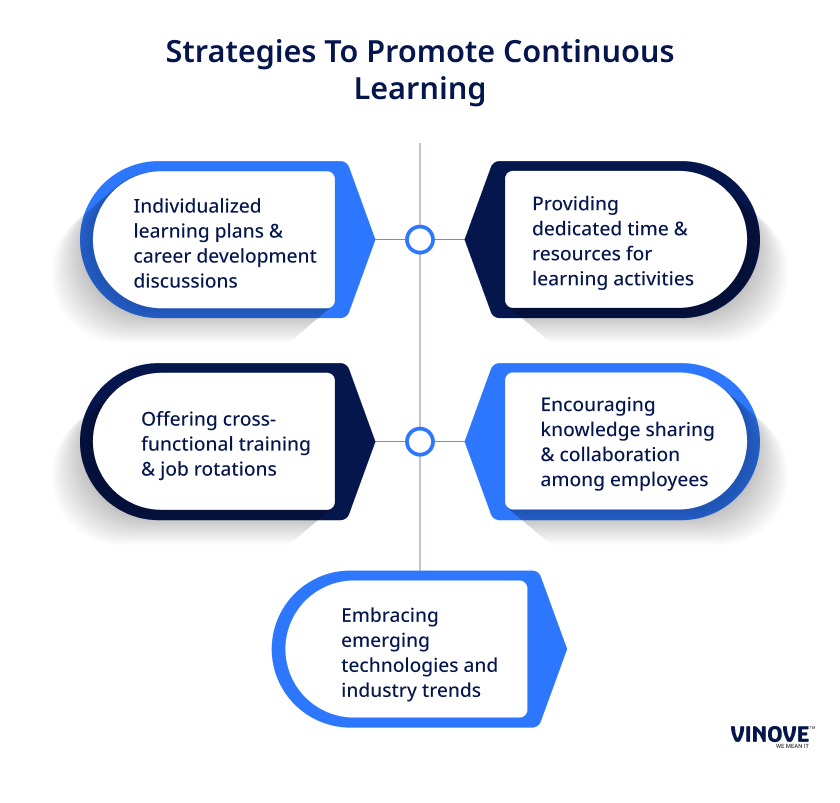
Suggest resources or courses that canhelp candidates develop the areas they struggle with. Encouraging them to learnis a great way to provide feedback that fosters growth. For example, you couldrecommend online courses or workshops relevant to the skills they need toenhance. This shows that you are invested in their success and not justpointing out flaws.
Timing is Everything
Giving feedback promptly is crucial.As soon as possible after the interview, share your observations while they arestill fresh in everyone’s mind. Delayed feedback can lose its impact and mayleave candidates confused about their performance. Aim to provide feedbackwithin a few days of the interview to maintain its relevance.
Build a Relationship
Establish a rapport during thefeedback process. A friendly tone can make candidates feel more comfortablereceiving and acting on feedback. Building a relationship also encouragescandidates to seek your advice in the future, fostering a positive connectionthat can benefit both parties.
Incorporate Feedback into the Recruitment Process
Consistently gathering feedback fromcandidates about the recruitment process itself can provide insights into theeffectiveness of your strategies and how you can improve them. This two-waycommunication not only enhances the candidate experience but also helps yourefine your hiring practices.
Key Takeaways
- Be specific and objective in your feedback.
- Balance positive and negative feedback.
- Encourage continuous learning and provide resources.
- Ensure timely feedback after interviews.
- Establish a rapport with candidates.
- Gather feedback to improve recruitment processes.
Conclusion
Inconclusion, providing thoughtful, actionable feedback to candidates not onlyaids their professional growth but also enhances the reputation of yourorganization. By implementing these strategies, you contribute positively totheir career journeys. Remember, effective feedback for candidates is not justabout pointing out what went wrong; it's about guiding them toward futuresuccess. By fostering a culture of constructive feedback, you help candidatesgrow and develop, ultimately benefiting your organization as well.