


To secure employment abroad, Pakistani jobseekers must first identify professions that are in high demand internationally. Information and communications technologies, particularly IT engineers with specialized skills, are consistently sought after. The healthcare sector also offers numerous opportunities, with a need for doctors across various specializations.
In addition to these sectors, there are other industries with significant demand for skilled workers:
- Metallurgic and metalworking industries
- Tourism, hotel, and restaurant sector (e.g., cooks, waiters, bar staff)
- Agriculture (seasonal roles like fruit and vegetable picking)
- Construction (e.g., plumbers, electricians)
Understanding these trends can help jobseekers focus their search and tailor their skills to meet the needs of the global job market. It’s also beneficial to research specific requirements for each profession, such as language proficiency or certifications, which can vary by country and sector.
Researching Employment Trends in Target Countries
To effectively navigate the international job market, Pakistani jobseekers must research employment trends in their target countries. This involves examining the types of jobs available, the demand for specific skill sets, and the sectors that are expanding. For instance, understanding the influence of Saudi recruitment agencies on Pakistani job seekers can provide insights into the types of professions that are in high demand in the Middle East.
When considering a move to a country like Portugal, it’s crucial to learn about the local job market. Contacting EURES services or visiting job portals like ePortugal can reveal opportunities in various sectors. Similarly, for those looking at Finland, resources such as InfoFinland and JobMarket Finland offer valuable information on employment opportunities and sector-specific outlooks.
It’s also important to be aware of the employment groups that are particularly welcomed in certain regions. For example, some countries have specific job openings for indigenous people, persons with disabilities, newcomers, and other groups. Keeping track of such details can significantly enhance the job search strategy.
Utilizing Global Job Portals and Resources
In the digital age, global job portals and resources have become invaluable tools for jobseekers looking to find employment abroad. These platforms offer a centralized location for a wide range of job listings across various industries and countries. By leveraging these resources, Pakistani jobseekers can significantly broaden their job search and increase their chances of finding suitable employment opportunities.
When using global job portals, it’s important to create a profile that stands out. Ensure that your qualifications, skills, and experience are clearly highlighted and tailored to the international market. Additionally, many job portals offer tools and resources such as salary calculators, company reviews, and career advice that can be extremely helpful during your job search.
Here are some steps to effectively utilize job portals:
- Register and create a comprehensive profile on multiple job portals.
- Subscribe to job alerts to stay informed about new opportunities.
- Use advanced search filters to find jobs that match your skills and preferences.
- Research employers and apply to jobs with a tailored cover letter and resume.
- Engage with the portal’s resources, such as webinars, articles, and forums, to gain insights and tips.
Navigating Visa and Immigration Policies

Navigating Visa and Immigration Policies Progress
Employer-sponsored visas are a gateway for Pakistani jobseekers to secure employment abroad. These visas are typically tied to a specific job offer and require the sponsorship of the hiring company. Understanding the different types of employer-sponsored visas is crucial for a successful job hunt internationally.
For instance, countries like Germany, Austria, Portugal, Sweden, and the UAE offer various forms of Job Seeker Visas, which allow individuals to enter the country with the intent of finding employment. It’s important to note that eligibility criteria and application processes can vary significantly from one country to another.
Here are some steps to consider when exploring employer-sponsored visa options:
- Take a Free Visa Assessment: Gauge your eligibility for different visa categories.
- Schedule a Visa Consultation: Get professional advice tailored to your situation.
- Apply for Visa Sponsored Jobs: Look for job listings that offer visa sponsorship.
- Make a Payment: Some processes may require a fee for visa application or consultation.
- Get In Touch: Contact the relevant authorities or registered migration agencies for assistance.
General Skilled Migration Programs
General Skilled Migration (GSM) programs offer a pathway for skilled workers to immigrate to a new country based on their qualifications and work experience. These programs are points-based, with applicants receiving scores for criteria such as age, language proficiency, education, and work experience. Successful candidates are granted a visa that allows them to live and work abroad, often with a pathway to permanent residency.
To apply for a GSM program, job seekers should first ensure they meet the basic eligibility requirements. The process typically involves the following steps:
- Assessing one’s points score against the program’s criteria
- Submitting an Expression of Interest (EOI)
- Receiving an invitation to apply for a visa
- Completing the visa application with required documentation
It’s crucial to stay informed about the specific requirements and changes in immigration policies of the target country. Consulting with a registered migration agency can provide valuable guidance and increase the chances of a successful application.
Consulting with Registered Migration Agencies
Consulting with registered migration agencies can be a pivotal step for Pakistani jobseekers aiming to work abroad. These agencies are equipped with the expertise to navigate complex visa processes and provide tailored advice. They ensure compliance with the migration laws of the target country and can significantly streamline the application process.
When selecting a migration agency, it’s crucial to verify their credentials and track record. Look for agencies that are officially recognized and have a history of successful visa applications. Agencies like DELTA offer a range of services including global HR solutions, recruitment services, document attestation, and HRM advisory. They specialize in talent acquisition and industry-specific placements, which can be beneficial for jobseekers in high-demand professions.
Here are some of the services you might expect from a reputable agency:
- Free Visa Assessment
- Visa Consultation Scheduling
- Migration Outplacement Services
- Digital Relocation Platform
Remember, while agencies can provide valuable assistance, jobseekers should remain vigilant against scams and only engage with legitimate and registered professionals.
Crafting a Globally Competitive Resume
Globally Competitive Resume
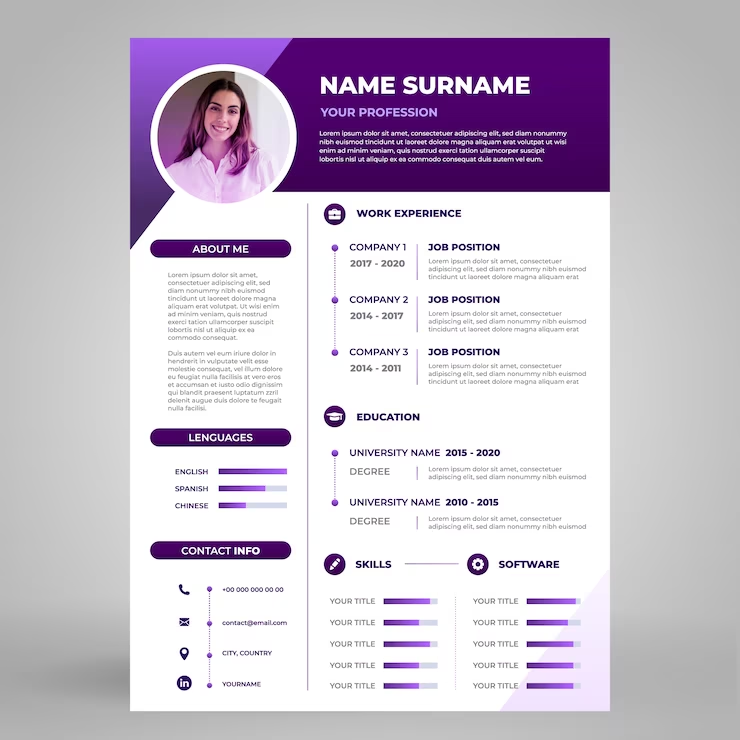
When seeking employment abroad, it’s crucial to adapt your resume to meet international standards. Employers often prefer concise and clear resumes that highlight the candidate’s most relevant experiences and skills. To achieve this, consider the following steps:
- Use bullet points to describe your work experience, focusing on achievements rather than a list of duties.
- Select a professional template that aligns with the job you’re applying for.
- Ensure that your resume is easily readable by using a standard font and formatting.
Remember, different countries may have varying preferences for resume styles, so it’s important to research the specific standards for your target country. Services like Europass can help you create a CV that meets European standards, while other regions may have their own preferred formats. Tailoring your resume to these standards can significantly increase your chances of landing an interview.
Highlighting Relevant Skills and Experience
When crafting a resume for international job applications, it is crucial to highlight relevant skills and experience that align with the job requirements and cultural expectations of the target country. Employers abroad often look for candidates who not only fit the technical demands of the position but also demonstrate a capacity to adapt to new environments and work cultures.
To effectively showcase your skills and experience, consider the following steps:
- Review the job description carefully to identify key skills and qualifications required.
- Match your most relevant skills and experiences to these requirements.
- Use clear and concise language to describe your accomplishments and responsibilities.
- Provide quantifiable achievements to illustrate your impact in previous roles.
For instance, if you are applying for a Quality Management System role, you might emphasize your 5+ years of QMS experience or specific expertise in Computer System Validation. Similarly, for IT and software development positions, highlighting proficiency in MS Office Tools, project management, and programming languages like JavaScript can be advantageous. It’s also beneficial to note any experience with global HR solutions, such as those provided by DELTA, which specializes in workforce hiring and talent acquisition.
Leveraging Online Resume Building Services
In today’s digital age, creating a professional and eye-catching resume is crucial for standing out in the international job market. Online resume building services offer a streamlined and efficient way to craft your resume, ensuring it meets international standards and appeals to global employers. These platforms provide a variety of templates and design options, allowing you to customize your resume to reflect your personal brand and professional experience.
- Pick a template that aligns with your industry and the job you’re applying for.
- Fill in your professional background with concise and impactful descriptions of your skills and achievements.
- Utilize the service’s editing tools to refine the layout and ensure your resume is error-free.
Trusted by top companies, these services often come with additional features such as job search tools and networking opportunities. By leveraging these resources, you can increase your visibility to potential employers and take a significant step towards securing your dream job abroad.
Building a Professional Network

Building a Professional Network Engaging with Industry Professionals
Engaging with industry professionals is a crucial step in expanding your professional network and uncovering job opportunities abroad. Networking with individuals in your desired industry can provide insights into the job market and help you gain referrals. For instance, DELTA’s global HR solutions and industry-specific placements can be instrumental in connecting with the right people in your field. They offer valuable services such as workforce hiring, talent acquisition, and even tips for resume improvement.
To effectively engage with industry professionals, consider the following steps:
- Attend industry-related conferences, seminars, and webinars to meet professionals and learn about the latest trends.
- Join professional associations and online forums to participate in discussions and connect with peers.
- Utilize LinkedIn and other professional social networks to reach out to industry experts and join relevant groups.
- Seek informational interviews with professionals to learn about their experiences and seek advice.
Remember, building a professional network is not just about collecting contacts; it’s about fostering meaningful relationships that can lead to career growth and opportunities.
Using Social Media Platforms Effectively
In today’s digital age, social media platforms are indispensable tools for jobseekers looking to expand their horizons abroad. Platforms like LinkedIn, Facebook, and Twitter can be leveraged to connect with industry professionals and companies from around the globe. It’s essential to maintain a professional online presence, showcasing your skills and experience to potential employers.
To use social media effectively, consider the following steps:
- Create a comprehensive LinkedIn profile that highlights your professional background.
- Follow companies and join groups related to your field to stay informed about job openings.
- Engage with content by sharing, commenting, and posting relevant articles to demonstrate your industry knowledge.
- Network with professionals by sending personalized connection requests and messages.
Remember, social media is also a two-way street; it’s not just about receiving information but also contributing to discussions and building a professional image that resonates with recruiters and hiring managers.
Attending International Job Fairs and Events
Participating in international job fairs and events can be a pivotal step in securing employment abroad. These gatherings provide a unique opportunity to meet potential employers face-to-face, learn about new job openings, and understand the needs of the global market. It’s essential to prepare beforehand by researching the companies and roles that will be present.
To maximize the benefits of these events, consider the following steps:
- Conduct thorough online research to identify relevant job fairs and events.
- Prepare a professional pitch and tailor your resume to the event’s focus.
- Network with industry professionals and follow up with new contacts post-event.
Remember, these events are not just about finding a job; they’re about building relationships that could lead to future opportunities. By engaging actively and professionally, you set the stage for a successful international career.
Applying for Jobs Effectively

Applying for Jobs Effectively
Tailoring Applications to Specific Job Listings
When seeking employment abroad, it’s crucial to tailor your applications to each specific job listing. This means carefully reading the job description and aligning your resume and cover letter to the employer’s requirements. Highlight your relevant skills and experiences that match the job criteria, and ensure that your application addresses the specific needs of the company.
To effectively tailor your applications, consider the following steps:
- Search for positions through networking, job fairs, or online job boards.
- Customize your resume or CV to the destination country’s standards.
- Craft a cover letter that speaks directly to the job and company you’re applying for.
Remember, a generic application is easy to spot and often quickly dismissed by recruiters. By personalizing your application, you demonstrate your genuine interest in the role and increase your chances of standing out in a competitive job market.
Understanding the Cultural Nuances of Job Applications
When applying for jobs abroad, it’s crucial to understand that each country has its own set of cultural expectations and norms that extend to the job application process. Being culturally aware can make the difference between an application that resonates with employers and one that misses the mark. For instance, the level of formality in a cover letter, the inclusion of a photo on a resume, or even the way you address potential employers can vary significantly from one country to another.
To navigate these nuances successfully, consider the following points:
- Research the standard job application format for your target country.
- Understand the preferred communication style, whether it’s direct or more nuanced.
- Be aware of the importance of personal connections in the job market you’re targeting.
Remember, demonstrating cultural awareness in your job applications not only shows respect for the local customs but also highlights your adaptability and global mindset. Resources like SEEK’s comprehensive guide on cultural awareness in the workplace can provide valuable insights into why it’s important and how it benefits everyone involved.
Following Up on Job Applications
After submitting your job applications, it’s crucial to keep track of them and follow up appropriately. This not only shows your keen interest in the position but also keeps you on the radar of potential employers. Here are some steps to effectively follow up on your job applications:
- Keep a detailed record of each application you send, including the date of submission and the contact details of the company.
- Wait for a reasonable period, typically one to two weeks, before following up to give employers time to review applications.
- Send a polite and concise follow-up email, reiterating your interest in the position and inquiring about the status of your application.
- If you receive an invitation for an interview, respond promptly and prepare thoroughly to make a strong impression. <