

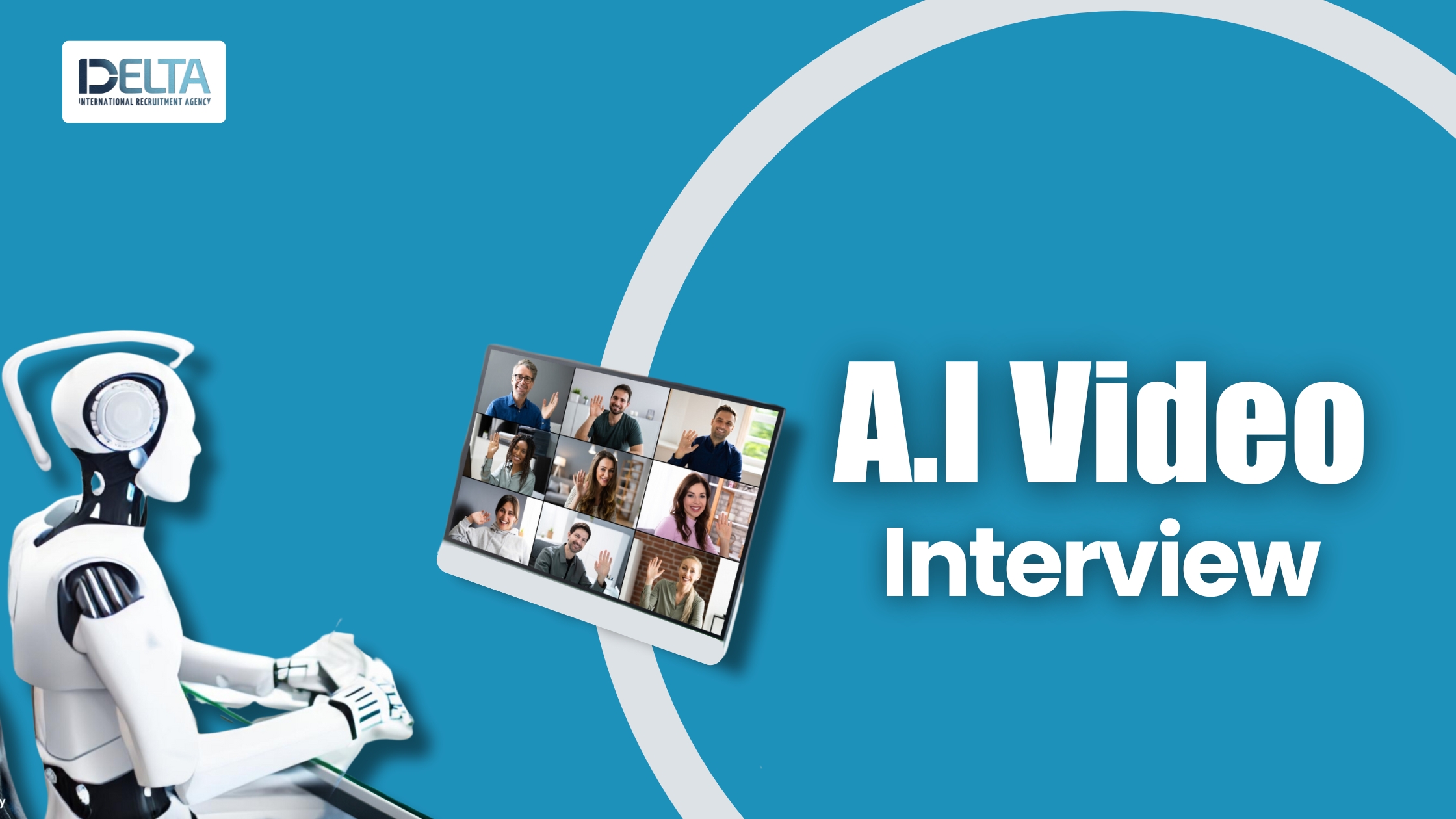
Artificial Intelligence (AI) is transforming the recruitmentlandscape, particularly through AI video interviewing. This advanced technologyleverages AI to conduct remote interviews, providing numerous benefits for bothemployers and candidates. For employers, AI video interviews streamline thehiring process, reduce bias, and help in identifying top talent efficiently.For candidates, these interviews offer convenience and accessibility, ensuringa fair opportunity for all. However, it is important to acknowledge thechallenges, such as potential biases and the impersonal nature of AI-drivenassessments.
By understanding the dynamics of AI video interviewing, bothemployers and candidates can navigate this innovative process more effectively.
What is AI Video Interviewing?
AI video interviewing involves remote interviews enhanced byartificial intelligence to screen and assess candidates. These tools evaluateskills, qualifications, and potential red flags while providing real-timefeedback to interviewers. Increasingly popular, AI video interviewing toolslike HireVue, VidCruiter, and PaLM are revolutionizing the hiring process byoffering efficient and accurate candidate evaluations.
Benefits of AI Video Interviewing
AI video interviews offer several advantages:
Increased Efficiency
AI automates the interview process, saving time for bothrecruiters and candidates.
Improved Accuracy
AI can assess candidates' skills and qualifications moreprecisely than human interviewers.
Reduced Bias
AI minimizes human biases related to personal appearance andrace.
Improved Candidate Experience
AI provides real-time feedback and personalized interviewquestions, enhancing the candidate experience.
Drawbacks of AI Video Interviewing
Despite its benefits, AI video interviewing has somedrawbacks:
Bias
AI systems can be biased against certain groups, potentiallyleading to unfair hiring decisions.
Lack of Transparency
AI's decision-making processes are often opaque, leading toa lack of trust.
Cost
AI video interviewing tools can be expensive, making themless accessible for small businesses.
Data Privacy
The extensive data collection by AI systems raises privacyconcerns.
Understanding these drawbacks helps in mitigating risks andensuring fair hiring practices.
How to Prepare for an AI Video Interview
Preparing for an AI video interview involves similar stepsto traditional interviews with additional considerations:
- Research the company and position.
- Practice common interview questions.
- Be ready to discuss your skills and experience.
- Dress professionally and ensure a clean, professional background.
- Test your internet connection and choose a quiet location.
- Be confident and authentic.
Tips for a Successful AI Video Interview
To excel in an AI video interview:
- Dress professionally and maintain a tidy background.
- Understand the job you're applying for.
- Let your personality shine through.
- Stay engaged and attentive.
- Answer questions thoughtfully.
- Be respectful and polite.
Common AI Video Interview Questions
Be prepared to answer questions like:
- Tell me about yourself.
- Why are you interested in this position?
- What are your strengths and weaknesses?
- What are your salary expectations?
- What are your goals for the future?
- How do you handle stress?
- What are your thoughts on diversity and inclusion in the workplace?
- What questions do you have for me?
Answering these questions thoughtfully and honestly, withexamples, will help you succeed.
Conclusion
AI video interviewing is a transformative technology inhiring, offering efficiency and accuracy. However, it’s crucial to use AIthoughtfully, balancing technology with human judgment to ensure fairness.Properly understanding and preparing for AI video interviews can significantlyenhance the recruitment process for both employers and candidates.